



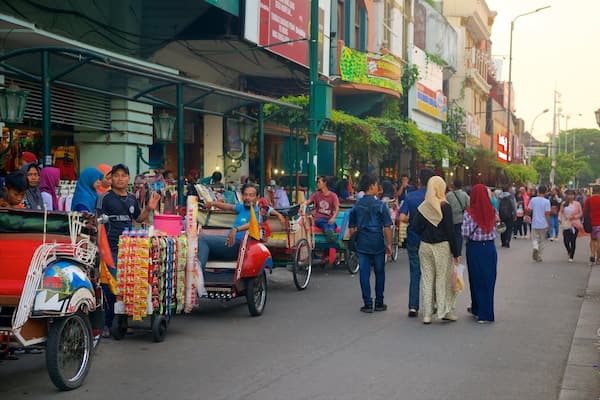
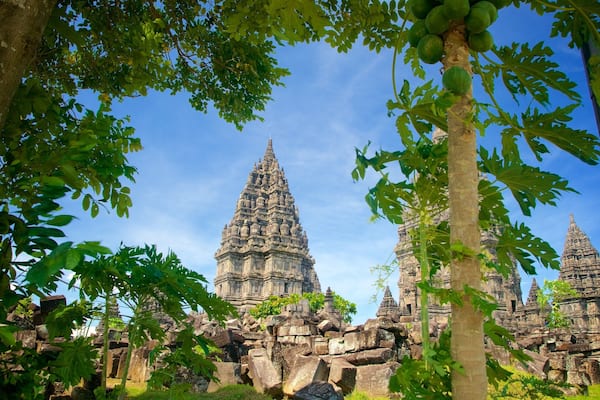
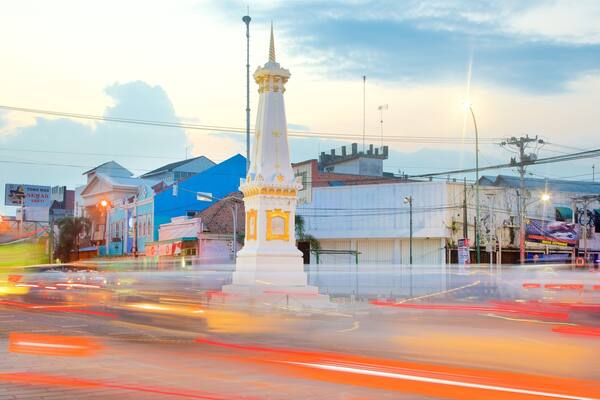



Historical Special Region of Yogyakarta will entice you
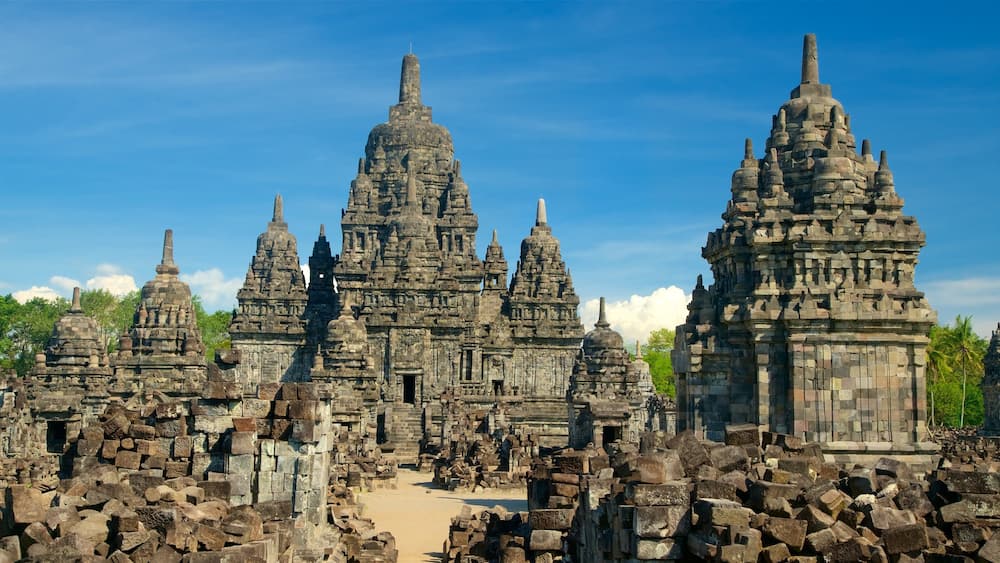
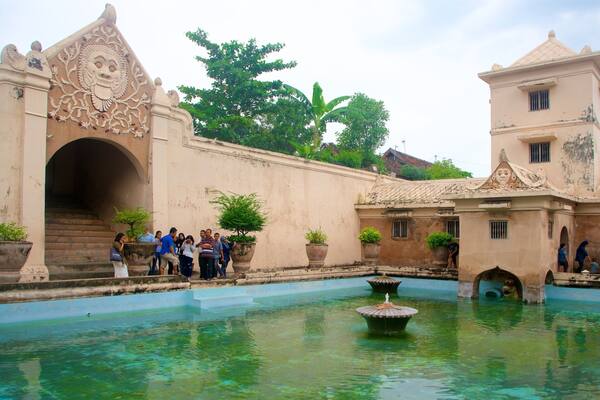
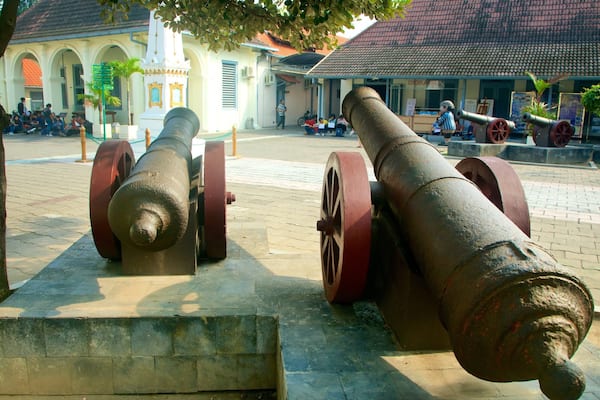
Take a holiday to Special Region of Yogyakarta and enjoy the area's temples, monuments and history. Well known for its museums, art and spas, this welcoming city won't disappoint. Whether you're planning a family holiday, a trip with friends or a romantic retreat, HomeAway has a great selection of holiday homes. Many rentals come with a full kitchen and separate dining area, perfect if you need a space for entertaining.
Sightseeing in and around Special Region of Yogyakarta
Are you hoping to discover top things to see and do during your stay? Venture out of your holiday home and check out everything that makes Special Region of Yogyakarta a fun place to get away to. Here are some of the top attractions to put on your list, all within 30 miles (48.2 km) of the city centre:
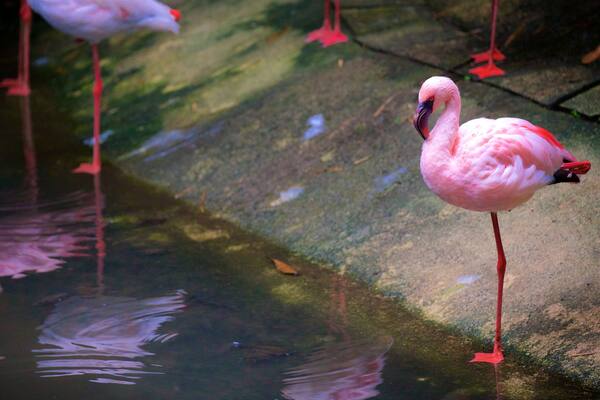
- Gembira Loka Zoo (2.2 mi / 3.5 km)
- Merapi Golf Course (13.7 mi / 22 km)
- Borobudur Golf Country Club (24 mi / 38.6 km)
- Taman Kyai Langgeng Magelang (24.3 mi / 39.1 km)
- Adisucipto Golf Course (4.9 mi / 7.8 km)
- Jogja Bay (5.2 mi / 8.4 km)
Exploring the natural landscape of Special Region of Yogyakarta
Whether you're an adventurous traveller or just want to spend some time taking in the scenery, Special Region of Yogyakarta is a great place to get out in nature. Here are a few of the area's most stunning features, all within 30 miles (48.2 km) of the city centre:
- Alun Alun Kidul (0.7 mi / 1.2 km)
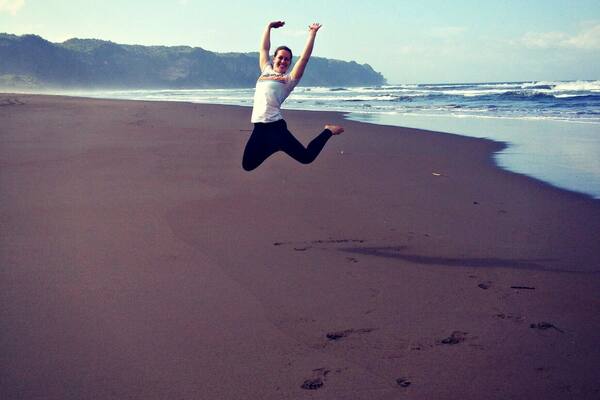
- Parangtritis Beach (15.6 mi / 25.2 km)
- Punthuk Setumbu Hill (18.7 mi / 30.1 km)
- Taman Kyai Langgeng Magelang (24.3 mi / 39.1 km)
- Mount Merbabu National Park (24.9 mi / 40.1 km)
- Pantai Drini (27.5 mi / 44.2 km)
How to get to and around Special Region of Yogyakarta
The nearest airport is in Yogyakarta (JOG-Adisucipto Intl.), located 5.1 mi (8.1 km) from the city centre. If you can't find a flight that works for your travel itinerary, you could also fly into Yogyakarta (YIA-New Yogyakarta Intl.), which is 21.9 mi (35.3 km) away.
If you prefer to travel by train, Yogyakarta Station, Patukan Station and Rewulu Station are the main stations in the city.